
Secrets of the Three Islands is one of our newest Self Guided tours, and Laurie Edwards was one of the first riders to take it on.
Daily reports were written by Laurie himself, riding solo, at his own pace
Secrets of the Three Islands is one of our newest Self Guided tours, and Laurie Edwards was one of the first riders to take it on.
Daily reports were written by Laurie himself, riding solo, at his own pace
He’s off. Secrets of the Three Islands, Self Guided in Japan.
A word of thanks to the Magellan team for organising everything, and to the local rental company for such a good send-off in Kyoto.

37 degrees and 80 percent humidity for the first day in the saddle, and worth every drop of sweat.
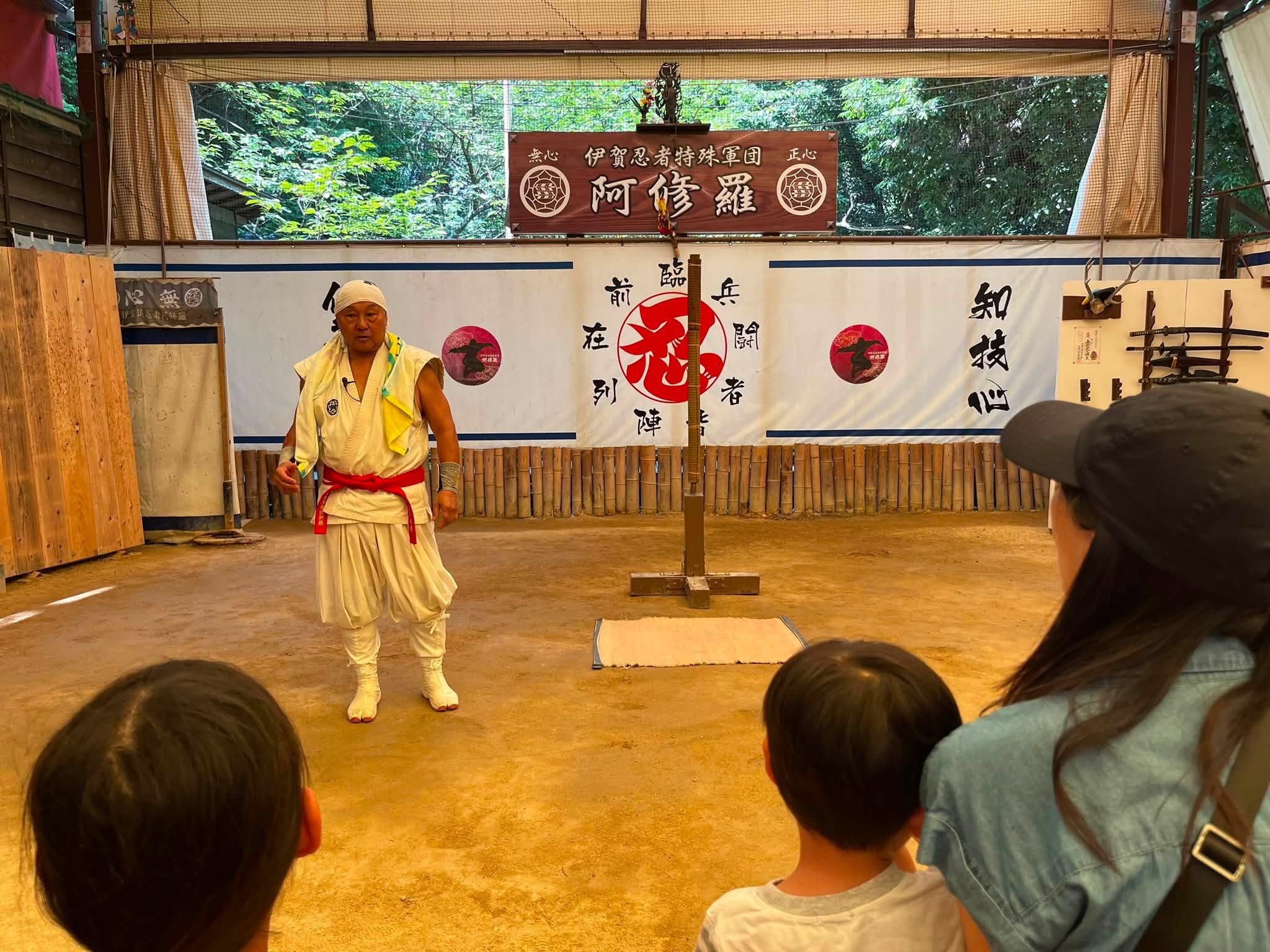
Highlights included the bowing deer and the huge Buddha statue at Nara, and a visit to the Ninja Museum and show in Iga. No photos allowed inside the museum, unfortunately.
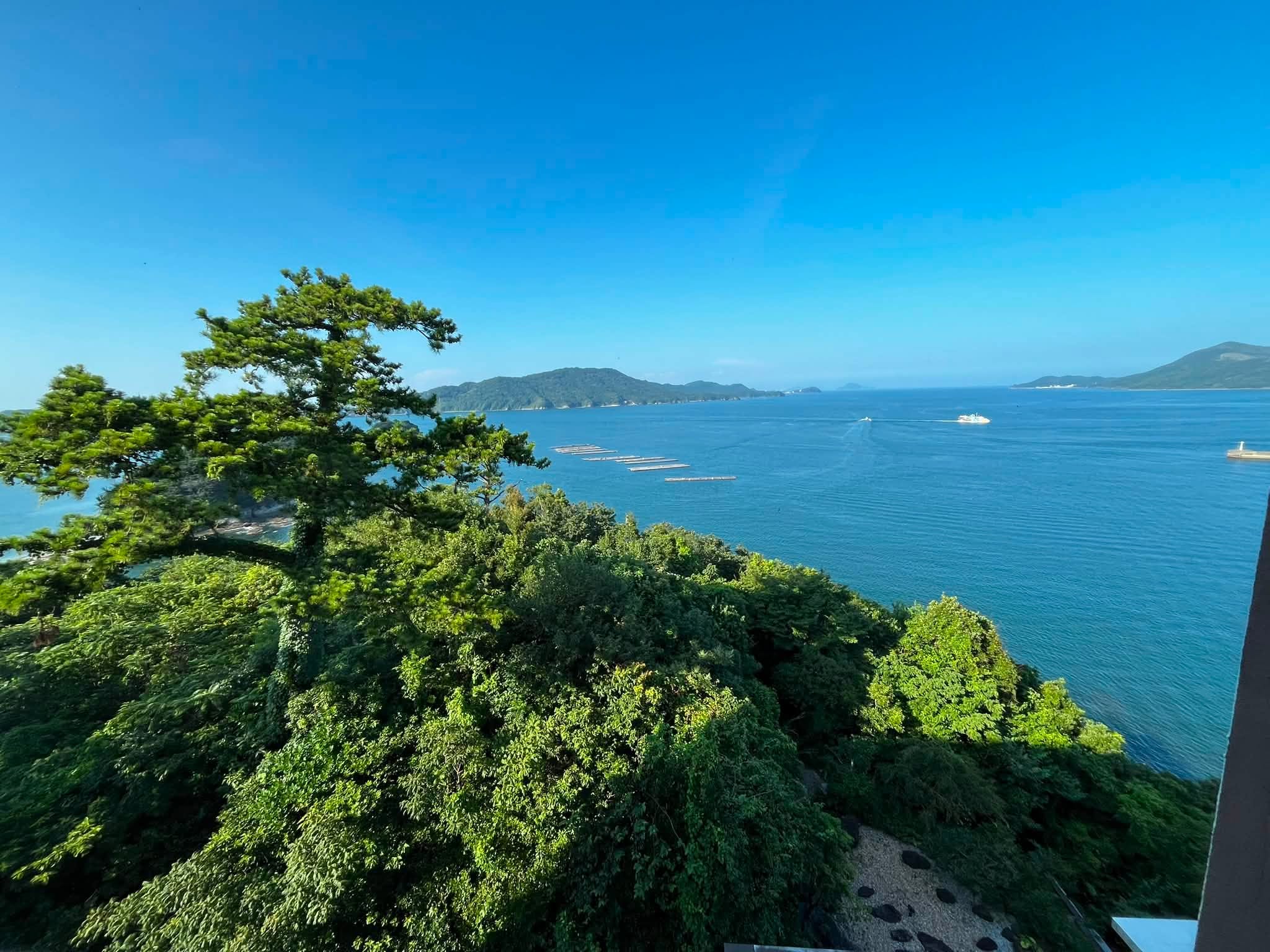
Best of all was the view from the hotel in Toba. A great choice by the Magellan team.
Google Maps had a meltdown, or more accurately, the phone overheated in the sun. So the route from here got made up on the fly, which felt like the truest kind of self-guided riding there is.
The views made up for it: misty valleys, rivers and villages all the way, though the final stretch into Koyasan was a genuine test. Narrow single-lane roads, blind curves, vertical drop-offs and barely a pull-out to let oncoming traffic pass. No photos from that part of the road. There wasn’t a spare hand for it.
The temple stay made up for the climb. Dinner with the monks, their morning ceremony, and a glimpse into a way of life built around quiet and stillness.
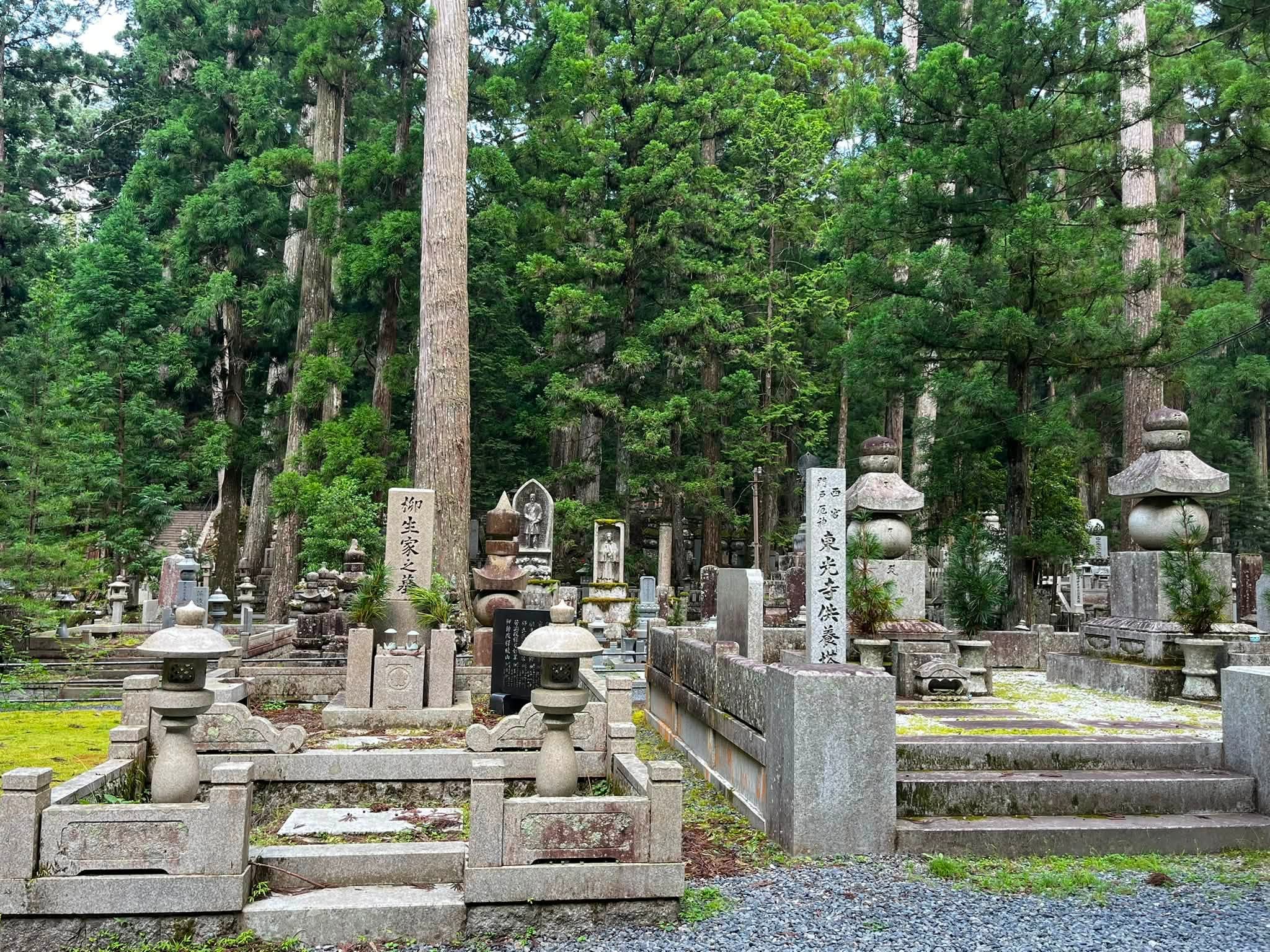
The real highlight was Okuno-in Cemetery, the largest and most sacred cemetery in Japan. Over two kilometres of ancient, moss-covered forest holding more than two hundred thousand tombstones and memorials. You’d have to be a stone not to feel real peace there.

550km over two days, and more bridges and tunnels than seemed possible, as the route threads between islands, along coastlines and through mountain ranges.
After clearing Osaka’s traffic and passing Kobe, two landmarks come back to back: the Maiko Tunnel, 3.3km long, leading straight onto the Akashi Kaikyo Bridge, the longest suspension bridge in Japan and the second longest in the world at close to 4km. A stop on the Awaji Island side for ice cream felt entirely necessary in the heat.
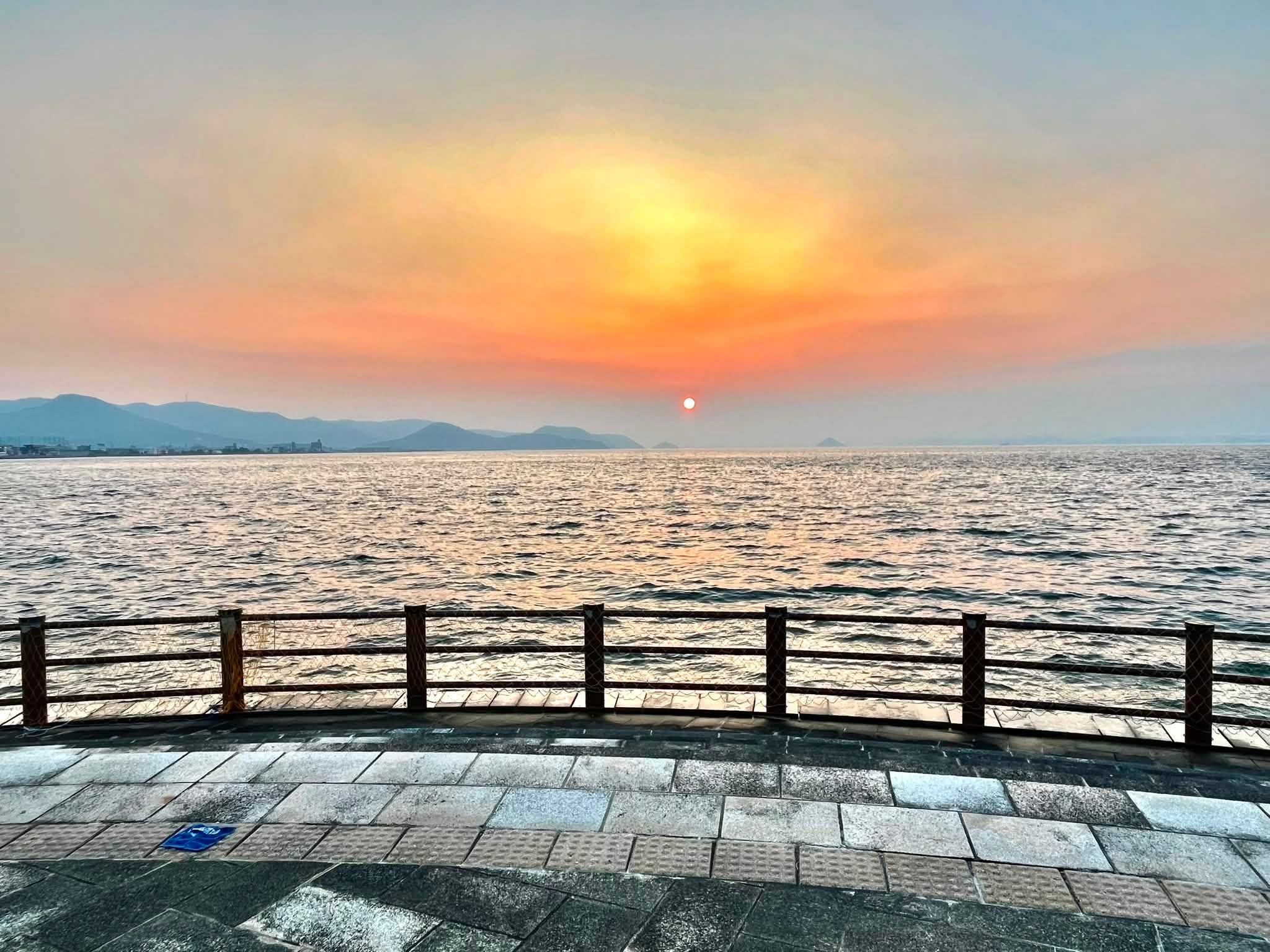
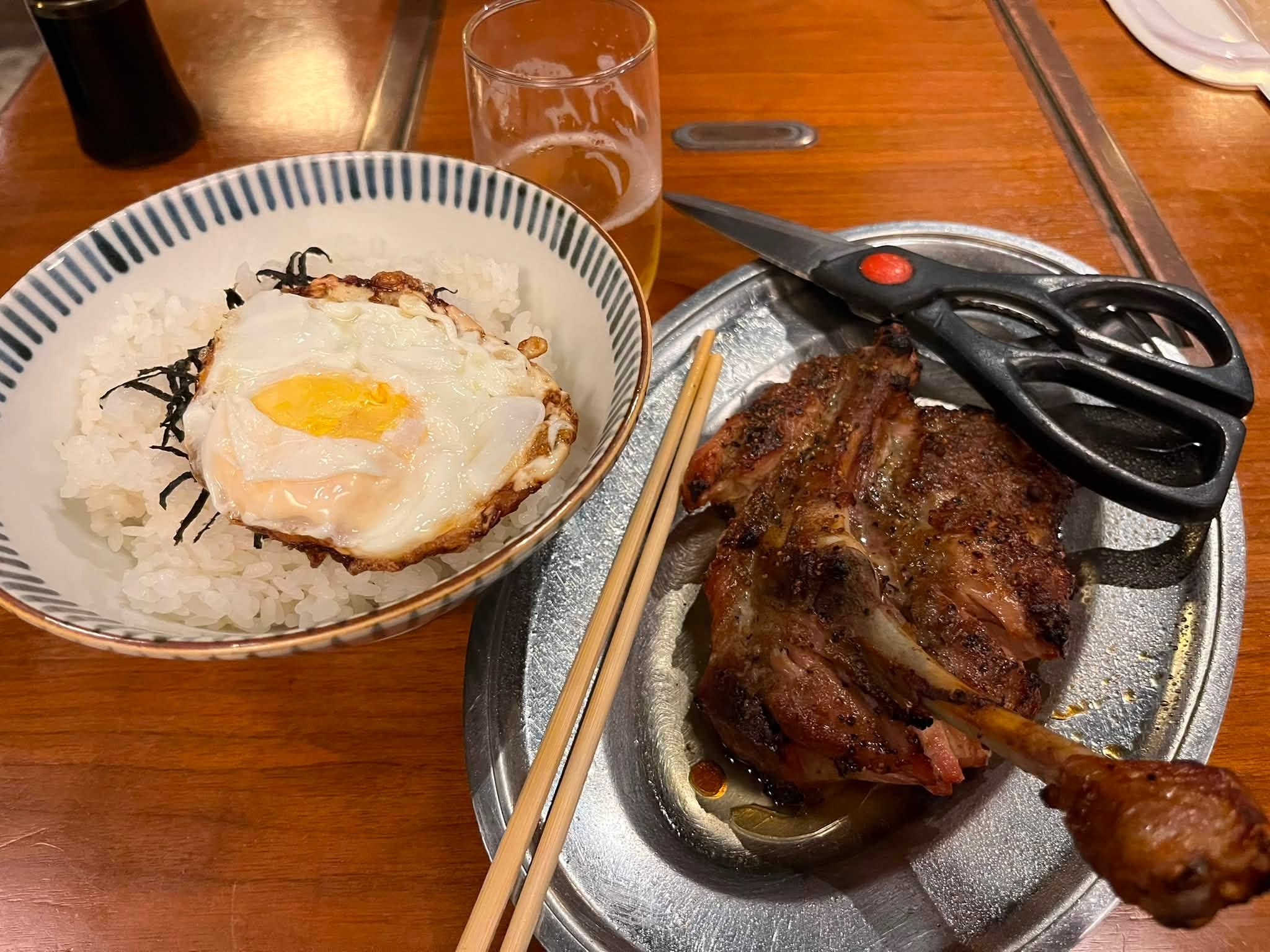
Takamatsu brought a walk down the Marugamemachi Shopping Street, Japan’s longest continuous covered shopping arcade, and a plate of honetsuki-dori, bone-in chicken thighs seasoned heavily with garlic, salt and pepper and roasted until crisp. The evening closed with the sun going down over the bay.
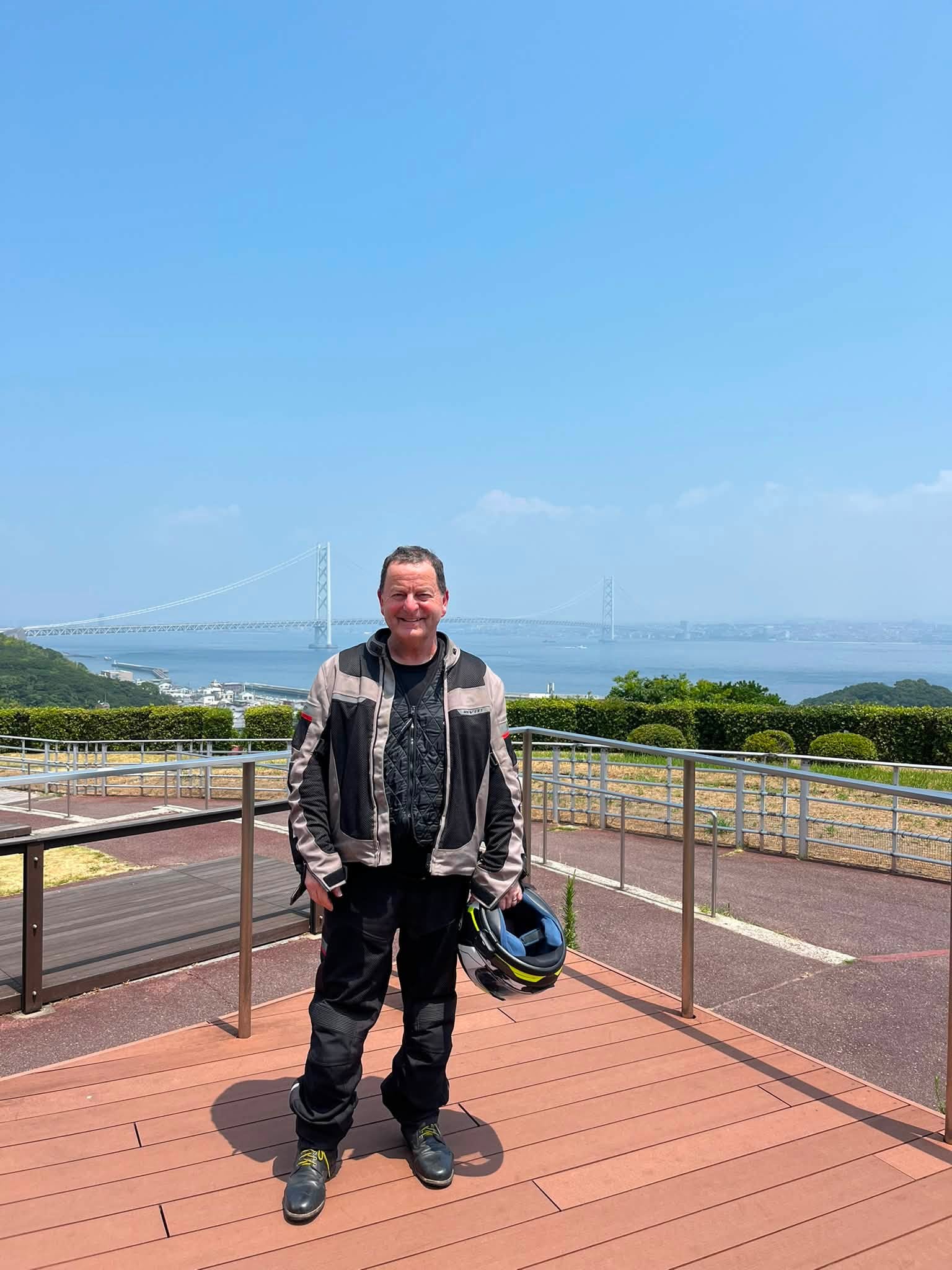
Today’s landmark was the Seto Ohashi Bridge, a double-decked structure connecting Honshu to Shikoku across the Seto Inland Sea, carrying a motorway above and a railway below, and running over 13km in length. Whoever engineers these things deserves some serious credit.
One more thing before moving on to Hiroshima: a proper thank you to Charmaine at Magellan, who recommended a cooling vest before the trip started. It has done more than its share of work in 37 degree heat and 85 percent humidity.

A rest day in Hiroshima, and a familiar city, having visited before. The Atomic Bomb Dome, Peace Park and Miyajima Island were given a miss this time, but they’re worth the visit for anyone who hasn’t been.
Instead, the day went to a pair of Onitsuka Tiger trainers, a quiet chuckle at the Japanese obsession with claw machines, a petrol station with pumps hanging from the roof, and a hotel buffet that didn’t stand a chance.
Next stop, Kitakyushu.


A short 214km ride, but sweltering heat again. In fact it was so hot the Japanese invented a new word for it this year, kokushobi, meaning “cruelly hot day.”
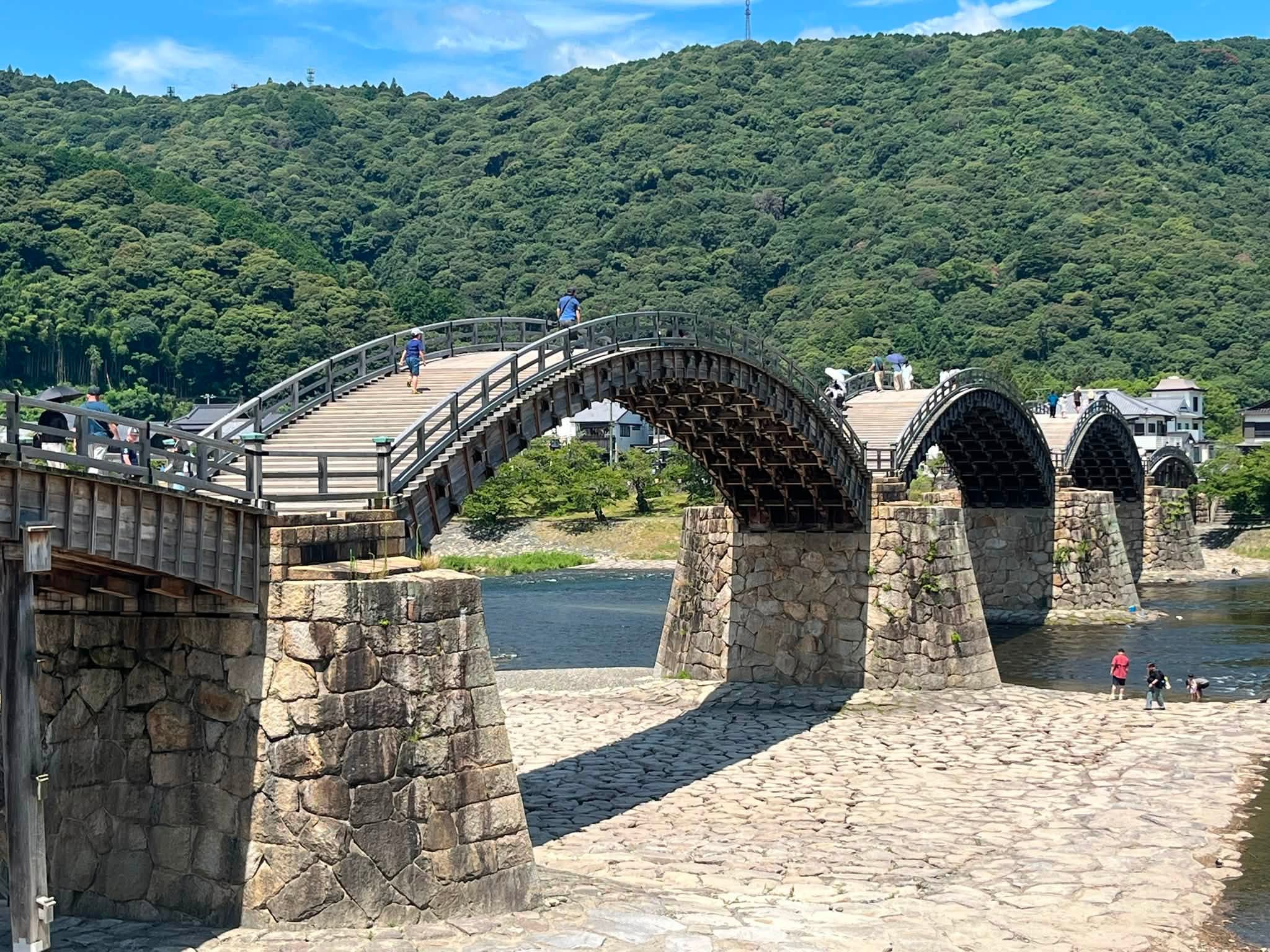
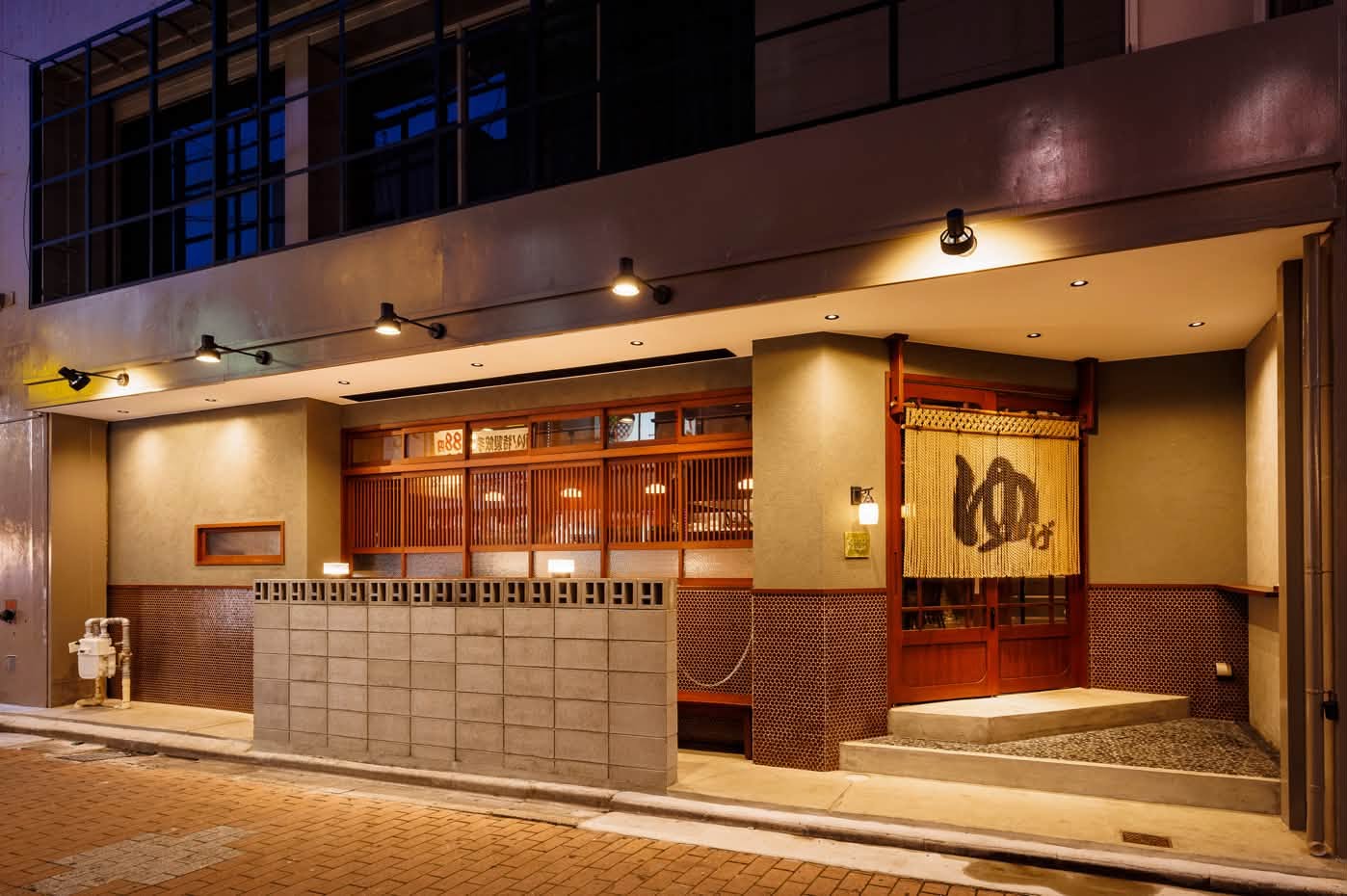
Two highlights made up for it. The first was the Kintaikyo Bridge, built in 1673 by Kikkawa Hiroyoshi, the third feudal lord of the Iwakuni domain, and still impressive today. The second was Yuge, a popular izakaya in Kitakyushu serving small, shareable plates. Every mouthful was delicious, oishikattedesu, and the amateur photos didn’t do the dishes justice.
One last thing worth a mention: the vending machines that are everywhere here, mostly cold drinks, though some stock ice cream or even cigarettes.
A lot of cold drinks got bought in this heat.

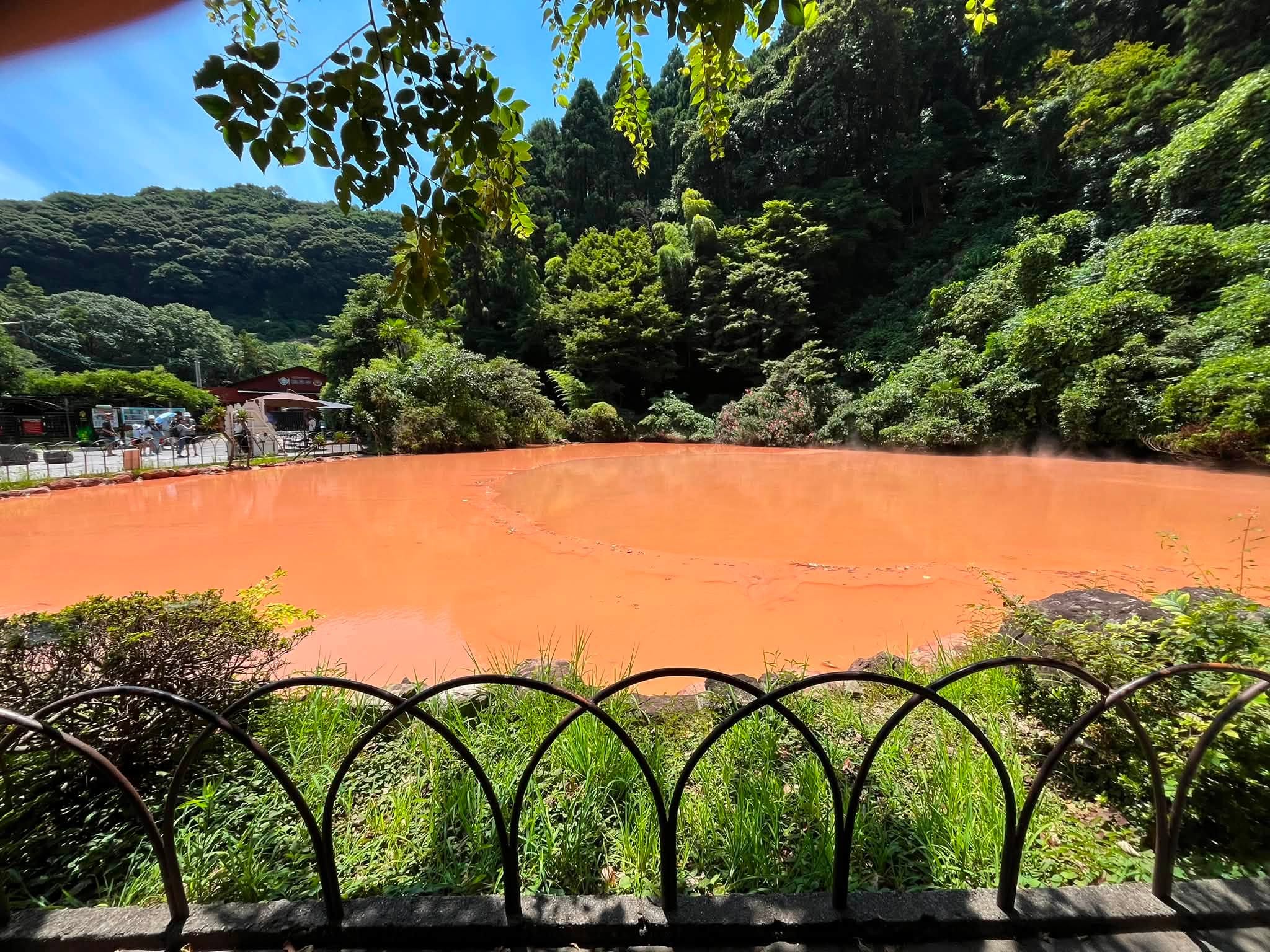
A decent 270km ride to Fukuoka, with a stop at the Hells of Beppu, seven hot springs and a geyser, along the way. Also on the way, the Iwashita Collection Museum, a private collection of over six hundred vintage motorcycles run by its owner, who seemed to approve of the bike out front.
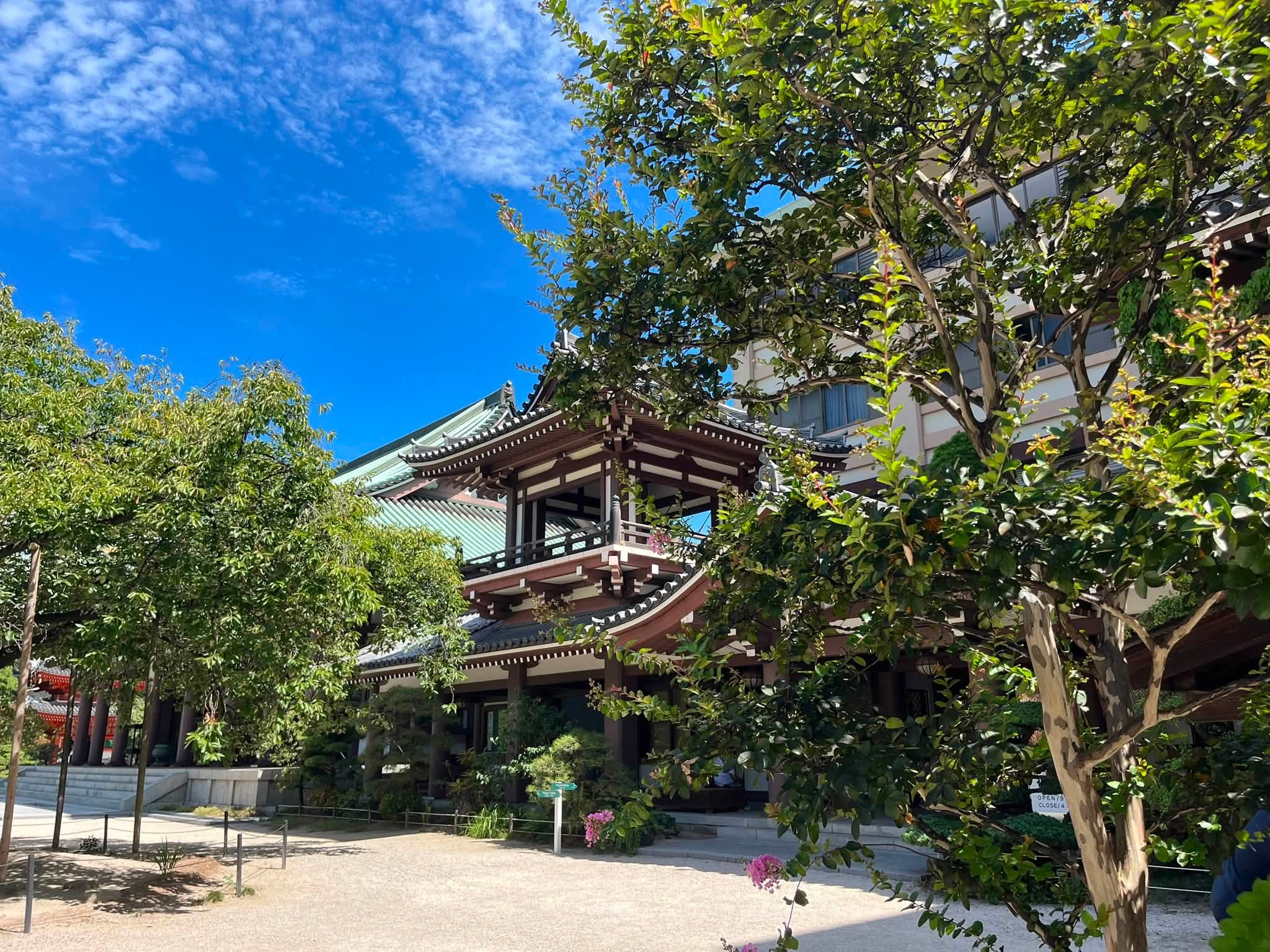
Day two in Fukuoka went to sightseeing: Tochoji Temple, Kushida Shrine, Ohori Park, the ruins of Fukuoka Castle, and dinner at one of the city’s famous Nakasu yatai food stalls. The hotel sat right next to Nakasu’s red-light district, striking mostly for its sheer scale.
A decent-sized earthquake capped it all off.
Reasonably pleased to be heading 300km north the next day, to Masuda.
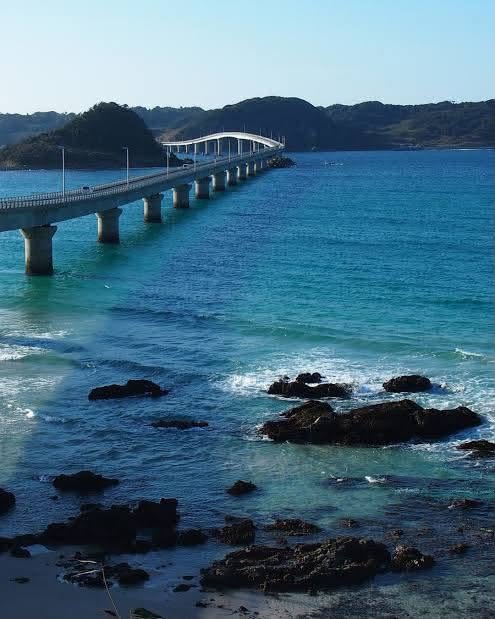
300km, and a water day through and through. First stop was the Kawachi Reservoir, built in 1927 but somehow feeling entirely unbothered by time, set in a huge garden.
Next came the near 2km Tsunoshima Bridge, connecting Tsunoshima Island to the mainland, less about the bridge itself than the view riding across it. But the real highlight of the day was standing atop Mt Kasayama looking out over the Sea of Japan: stunning blue ocean, green islands, kite hawks gliding through the air. Breathtaking.
Next stop, the historic city of Kurashiki.
285km through some of the most scenic and traditional rural landscapes of the trip.
A lunch stop for pizza in 38 degree heat, in full motorcycle gear, felt like it needed a mention.
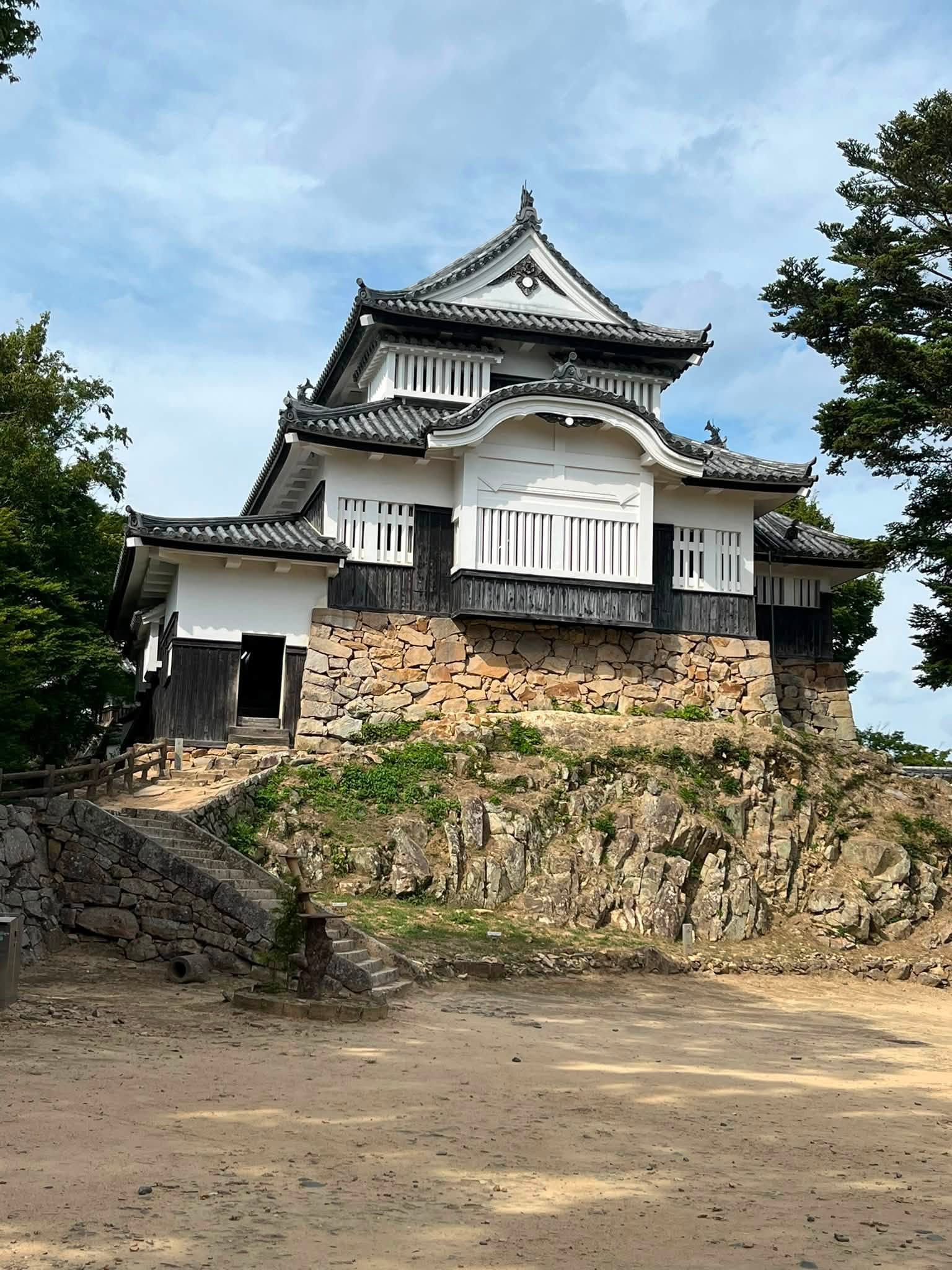
The afternoon brought a visit to Bicchu Matsuyama Castle, apparently the highest in Japan above sea level. That meant another 450 steps up, still in full gear, in the same heat.
Two pleasant surprises rounded out the day.
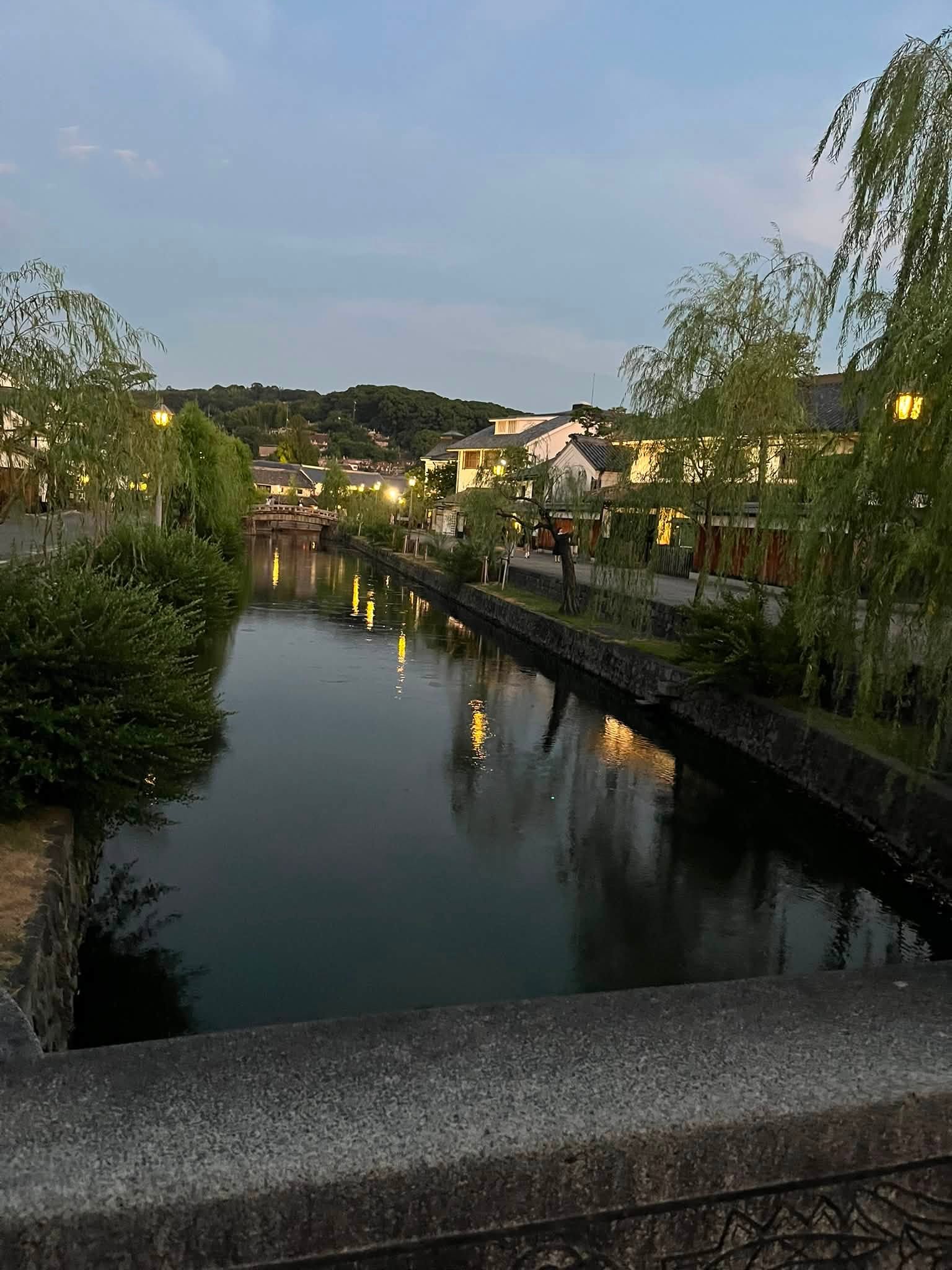
The canal in Kurashiki, especially at night, and the whole historic part of town, completely delightful. Dinner at the top yakitori restaurant in town was the best meal of the trip so far.
Next stop, the Miyazu Resort and Spa.
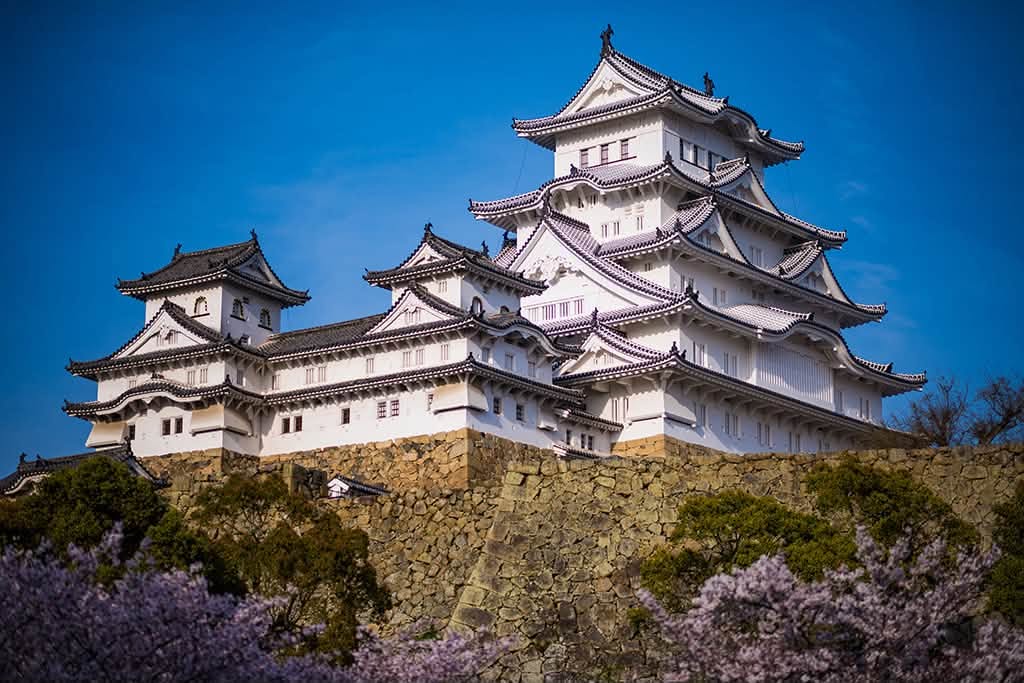
Himeji Castle, widely regarded as Japan’s most spectacular and best-preserved samurai fortress, and having seen a few by now, probably right.
Most other castles here were rebuilt in concrete after the war. Himeji is largely authentic, its 17th-century wooden structure still intact.
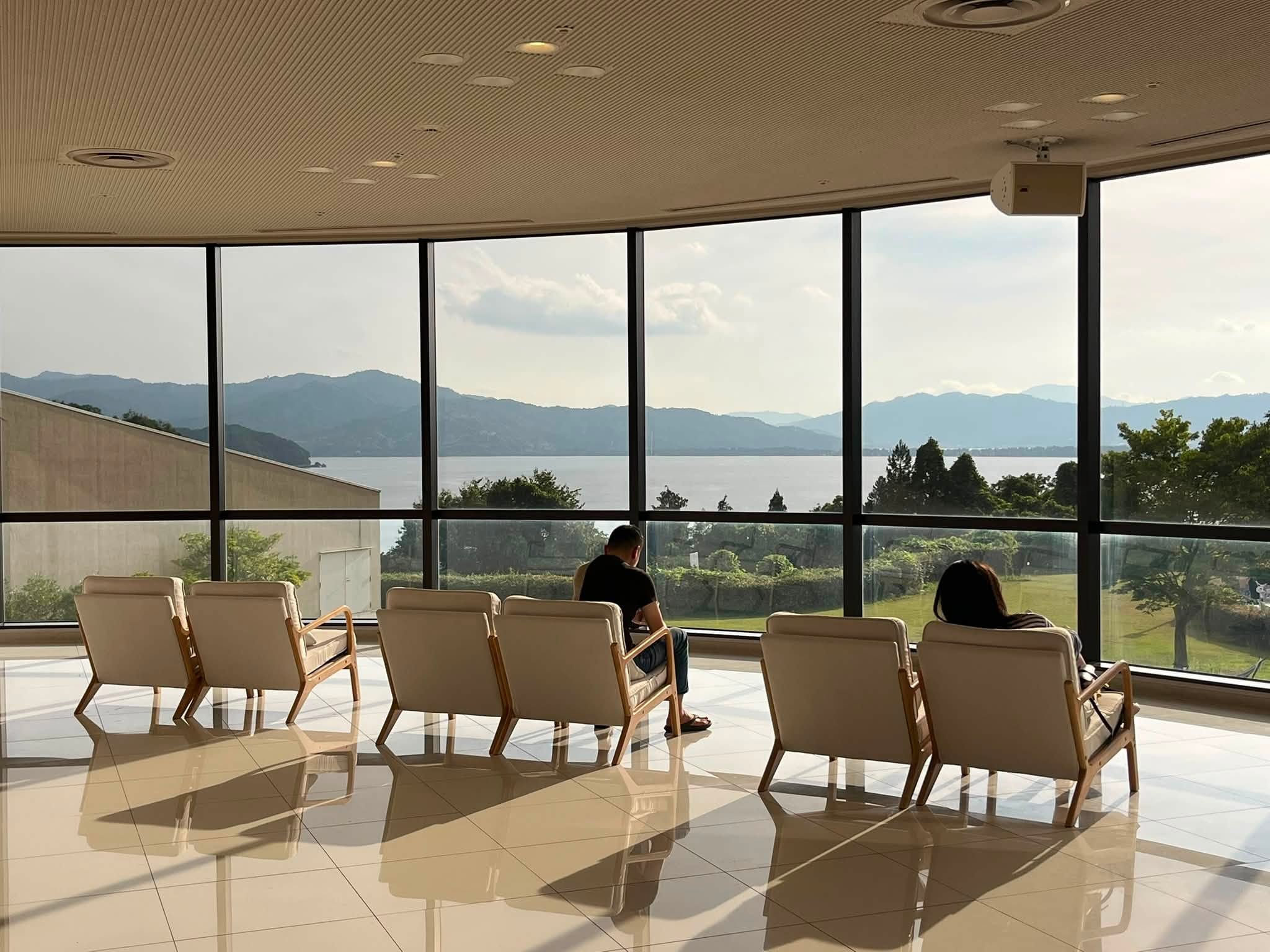
A few hours of pure relaxation at the Miyazu Resort and Spa: the pool, the view over Wakasa Bay, the restaurant, all fantastic, before the final ride back to Kyoto.
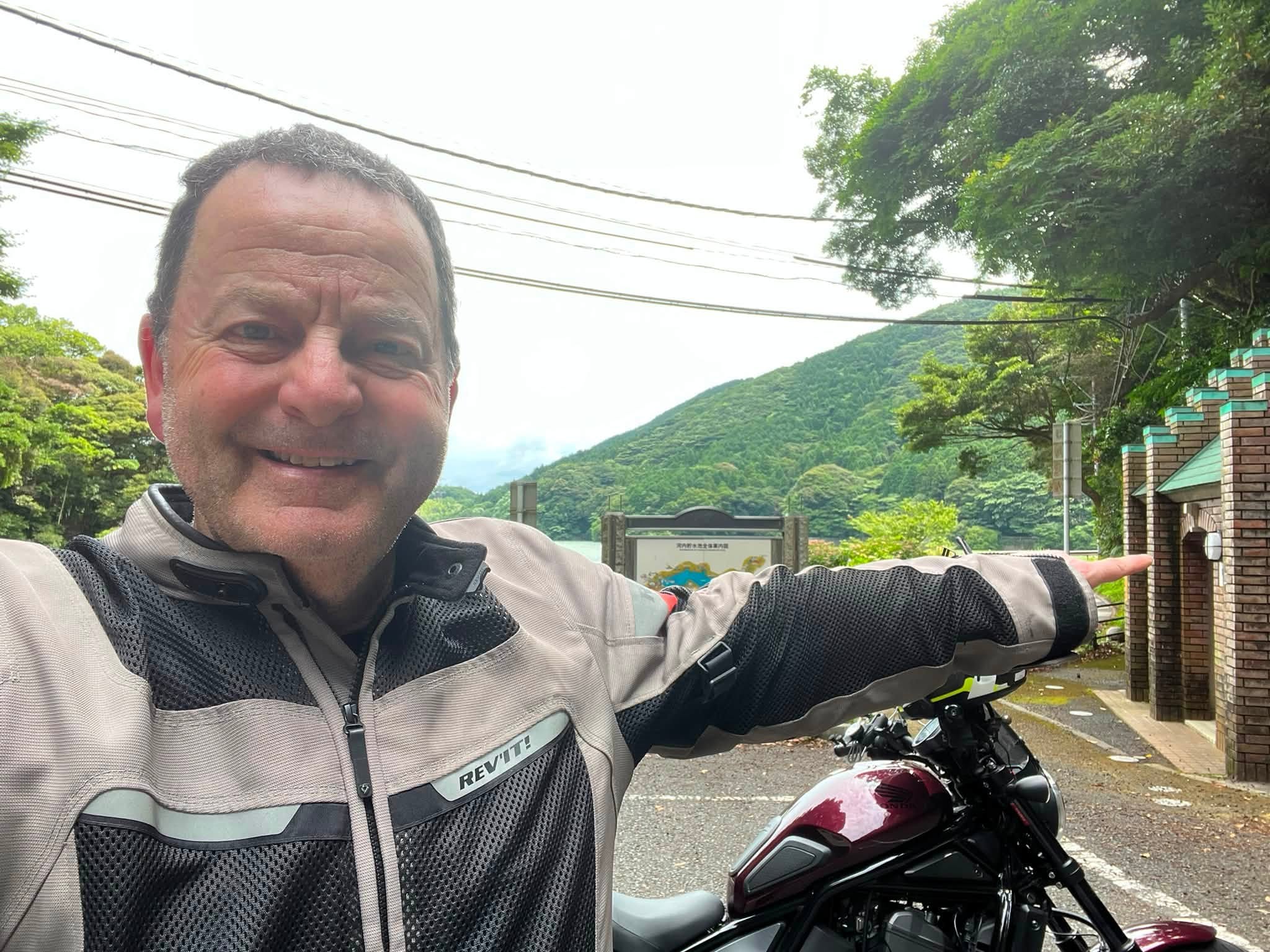
One last petrol pump, used every day of the trip and never quite figured out. Happy to say sayonara to those, plus a huge thank you to the Magellan team for organising it all. A few days in Nagano now, then home, to start planning the next one.
Tempted by temple mountains and midnight canals?
Check out Japan: Secrets of the Three Islands and join Felix, Naomi and Billy in October 2026.