How challenging is this motorcycle tour?
This is a serious adventure tour for experienced riders. Most of the route is on surfaced roads, but over 19 riding days you’ll encounter everything from motorways and flowing mountain roads to steep passes, remote high-altitude sections, busy towns and more variable road surfaces in Laos. You should be completely confident handling a large motorcycle in changing conditions and over long days.
What are the riding conditions like in the different countries?
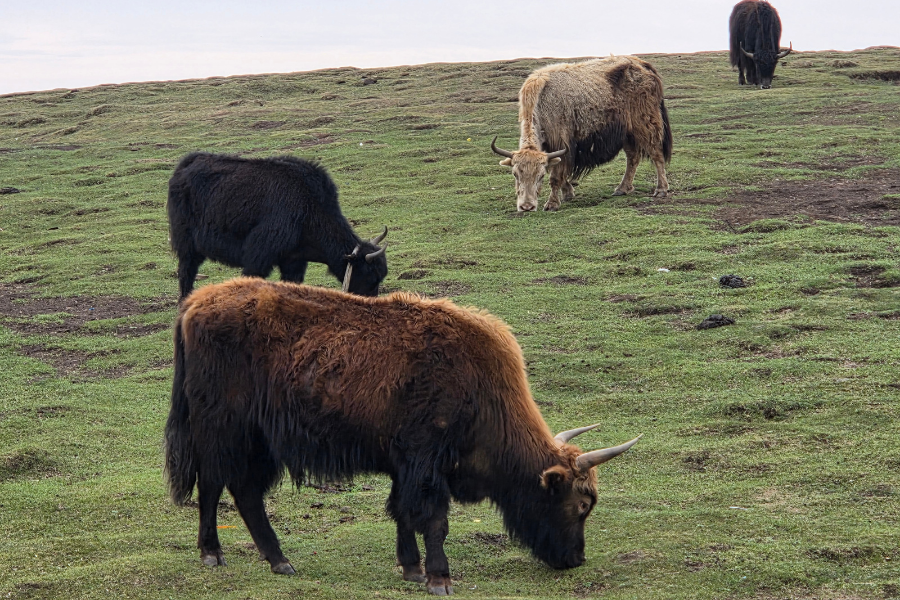
They change considerably as the journey unfolds. In China you’ll ride a mixture of modern roads, motorways and spectacular mountain routes. Across the Tibetan Plateau the roads become more remote, with major elevation changes, high passes, livestock and rapidly changing weather. Northern Laos brings more variable road surfaces and heavier truck traffic in places, before Northern Thailand delivers some superb surfaced mountain riding on the final run towards Chiang Mai. It’s that constant change of landscape, culture and riding that makes this journey so special.
Is this an off-road motorcycle tour?
No. This isn’t an off-road expedition, and the majority of the route is on surfaced roads. However, road quality can vary, particularly in more remote areas, and there are steep and technically demanding sections. It isn’t suitable for someone looking to learn or build basic riding skills during the tour.
How far do we ride each day – and in total?
The complete journey is approximately 3,700 miles / 6,000 km. Riding days generally range from around 125 to 315 miles / 200 to 510 km, with the longer days typically using faster roads and motorways.
There are 19 riding days and seven non-riding days, giving us time to properly experience some extraordinary places along the way rather than simply riding through them.
How high do we ride on this tour?
Very high. Several sections cross the Tibetan Plateau at more than 4,000 metres, with some mountain passes approaching 4,700 metres. Litang, for example, sits at around 4,160 metres above sea level.
The itinerary has been designed to introduce altitude progressively, and our guides are all trained to help deal with and manage any altitude related issues if they occur.
What about altitude sickness?
Altitude can affect anybody, regardless of fitness or riding experience. Headaches, unusual tiredness, dizziness, breathlessness or nausea can all be early warning signs.
Our route includes acclimatisation time and rest days, and our guides will be monitoring the group as we climb higher.
What motorcycle gear should I bring?
Bring your own helmet, jacket, gloves, riding trousers and motorcycle boots.
The important thing on this tour is versatility. You could experience near-freezing temperatures on high mountain passes and temperatures above 35°C later in Laos and Thailand. A good ventilated textile suit, waterproof layer, insulating mid-layer, warm gloves and lightweight base layers will give you the flexibility you need.
Think layers rather than one very heavy jacket.
What will the weather be like?
Potentially almost everything.
Central China can be pleasantly warm, while the high-altitude sections can be very cold, particularly first thing in the morning and over the highest passes. By the time we reach Laos and Northern Thailand the conditions become much hotter and more humid, with tropical showers possible.
It’s one of those tours where you genuinely need to pack for both cold mountains and tropical heat.
What license do I need to ride in China?
You must hold a full motorcycle licence in your home country covering the type of motorcycle you’ll be riding.
China doesn’t recognise an International Driving Permit on its own, so additional Chinese driving authorisation is required. We coordinate this process with our local operating partner and will tell you well before departure exactly which original documents, copies, photographs and translations you need to bring.
The final local formalities are dealt with in Beijing before the motorcycle journey begins, so you won’t be left trying to navigate the Chinese licensing system yourself.
Do I need visas for China, Laos and Thailand?
Visa and entry requirements depend on your nationality and can change, so we’ll give you up-to-date guidance well before departure.
Your personal visas aren’t included in the tour price, but Magellan and our local partners will help coordinate the process. The specialist motorcycle permits, documentation and operating arrangements required for the tour through China and the Tibetan regions are organised as part of the trip.
How are all the border crossings handled?
We handle the complicated bit.
This is a genuine international expedition, crossing from China into Laos and then into Thailand. Our operating partners arrange the relevant motorcycle documentation, permits, customs procedures, local guides and support arrangements. You’ll still need the correct passport and personal visa documentation, and border crossings can sometimes take time, but you won’t be left dealing with the vehicle bureaucracy yourself.
Is there a support vehicle and how is luggage handled?
Yes. A support vehicle accompanies the journey and transports your main luggage between hotels, leaving you free to ride with only the things you want during the day.
There are also a limited number of places for non-riding partners to travel in the support vehicle. Speak to us before booking if you’re interested in this, as availability is limited.
What is the food like?
One of the joys of this tour is how dramatically the food changes as we travel south.
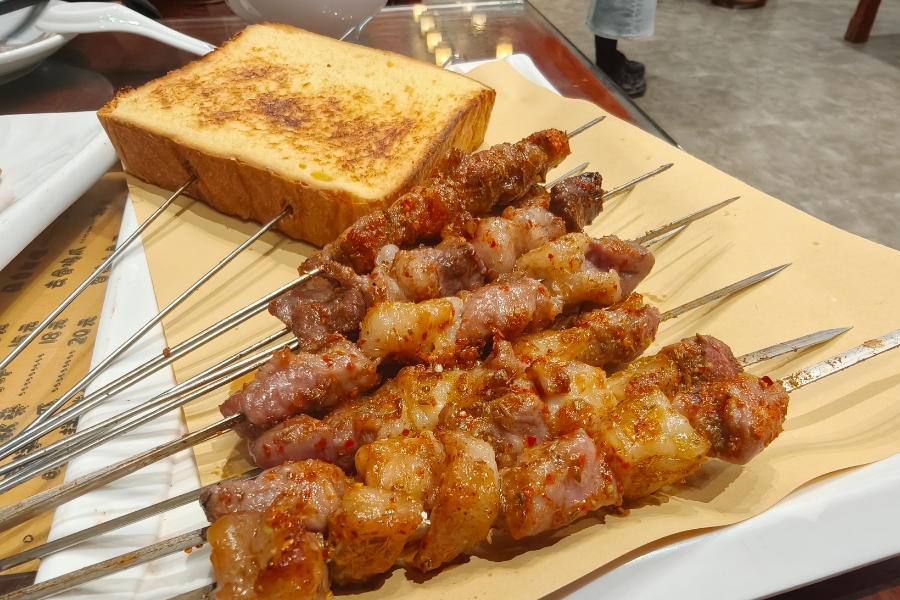
You’ll experience regional Chinese cuisine, Tibetan food, Lao cooking and finally Northern Thai cuisine, with plenty of variation along the way. Western options are also available at many of the hotels and restaurants we use.
If you have allergies or particular dietary requirements, let us know before booking. Most requirements can be accommodated, although choices can naturally be more limited in some of the remote regions.
What about phones, internet and navigation in China?
China works differently from most destinations, so we’ll help you prepare before you leave.
Google Maps isn’t suitable for our day-to-day navigation in China, so we’ll use Amap together with daily route information shared through WeChat. We’ll give you instructions before departure so the necessary apps are already installed and working when you arrive.
Access to some Western websites and apps can also be restricted in mainland China. We’ll provide current guidance on roaming, eSIMs and communications shortly before the tour rather than relying on information that may have changed.
Once we leave China, navigation and mobile access become much more conventional.
What about Wi-Fi and charging my devices?
Wi-Fi is available at most of the hotels we use, although speeds can vary considerably in remote areas.
China, Laos and Thailand generally use 220V electricity. Many hotels have multi-standard sockets, but we recommend bringing a good universal travel adaptor and enough USB charging capacity for your phone, camera, intercom and other riding electronics.
What happens if I have a medical problem somewhere remote?
This is an unusually remote journey in places, so medical planning is important.
The tour is fully guided and supported by remote medic trained guides, and your package includes Global Rescue membership providing services including medical advisory support, field rescue and medical evacuation where applicable.
You should still travel with appropriate personal travel and medical insurance and bring enough of any regular prescription medication for the complete trip.
What are the rest days like?
They’re a major part of the tour rather than simply days spent sitting at a hotel.
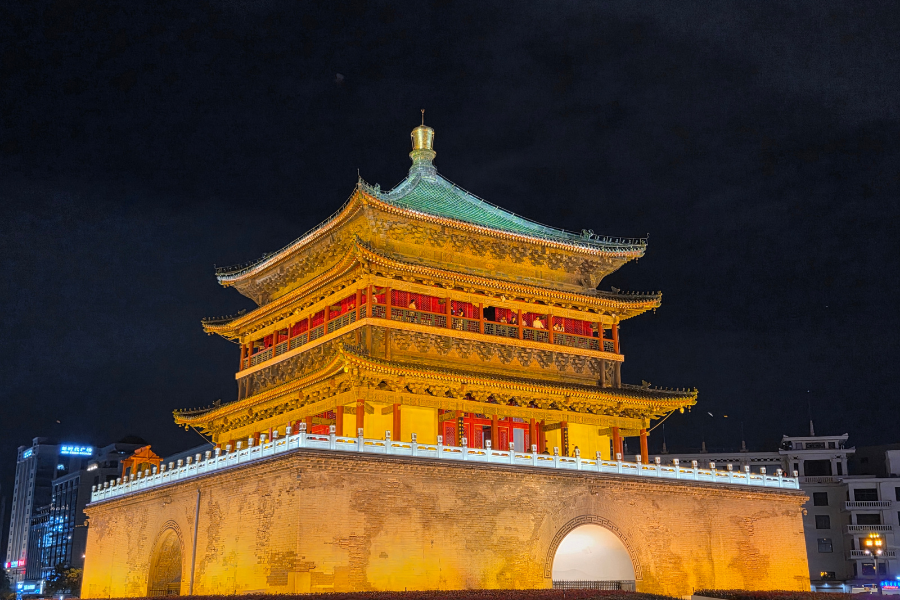
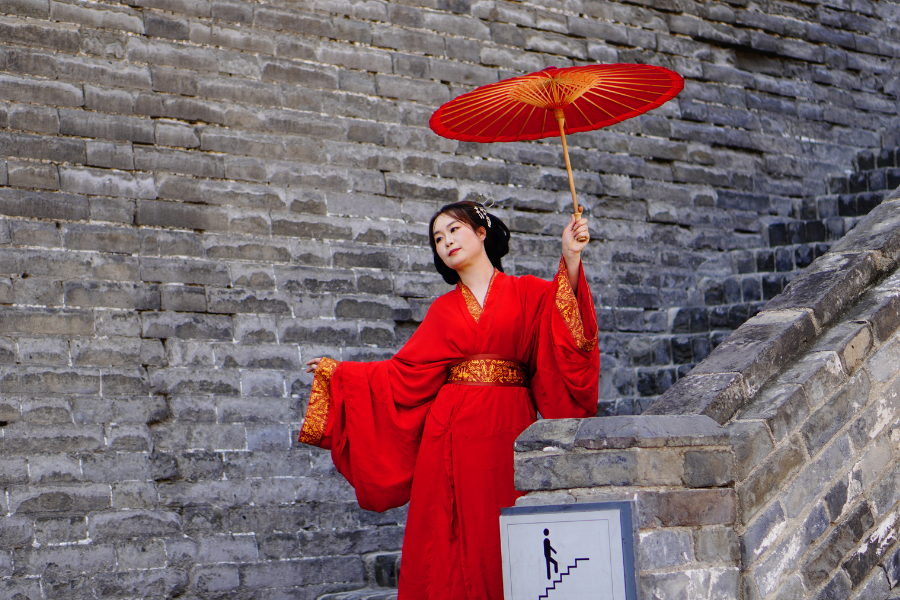
We’ve deliberately built time into the itinerary for Beijing and the Great Wall, Xi’an and the Terracotta Army, Labrang and its Tibetan culture, Danba, Lijiang and Luang Prabang. Some include organised sightseeing and cultural experiences, while others give you more freedom to explore or simply recover before the next stage of the journey.
What makes this tour different from a normal motorcycle holiday in China?
This isn’t an off-the-shelf motorcycle itinerary.
Felix, Magellan’s founder, previously lived in China and has used that first-hand knowledge and his long-standing connections in the region, together with the enormous local experience of in country partners, to help create something genuinely unusual.
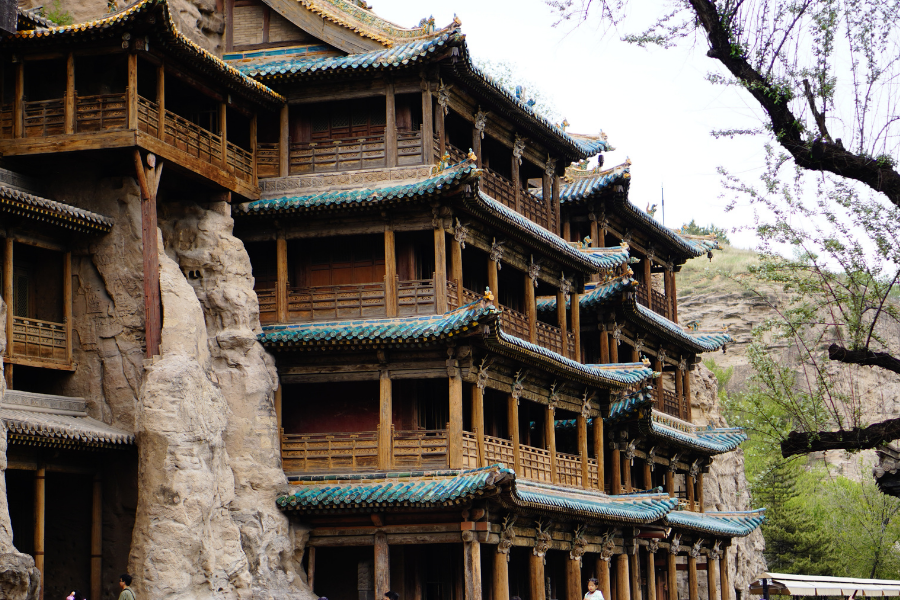
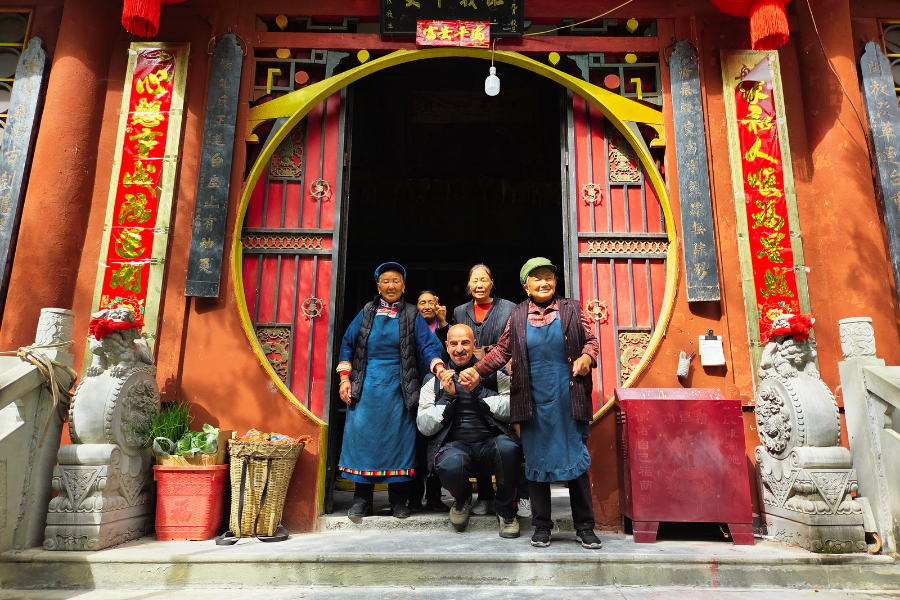
The result connects the Great Wall, ancient Silk Road cities, the Terracotta Army, remote Tibetan communities and some of the highest roads of the journey with Yunnan, the mountains of Laos and finally the great riding roads of Northern Thailand.
It’s the sort of route that would be extraordinarily complicated to put together independently, and exactly the kind of once-in-a-lifetime journey Magellan exists to create.